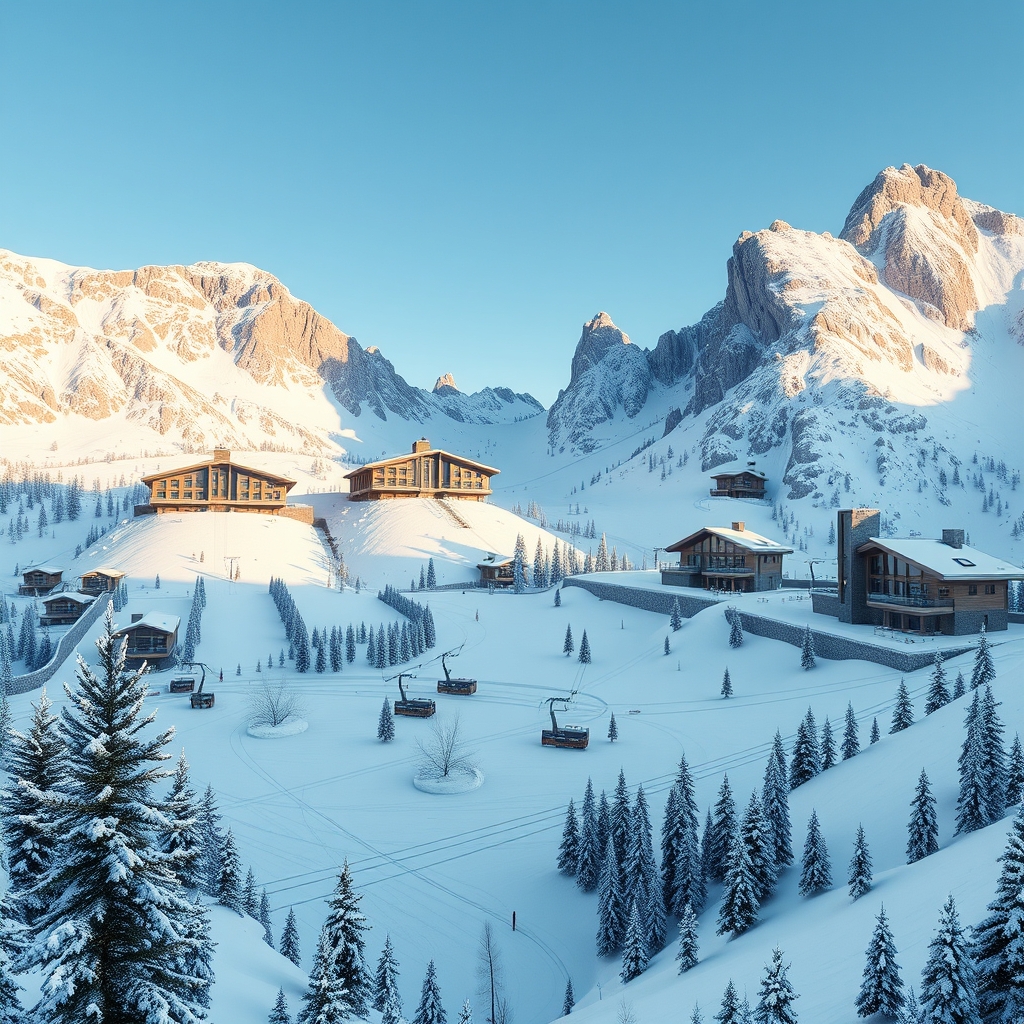
If you are researching the feasibility, design, and operational scope of Trojena as a year-round mountain destination, this analysis delivers the exact engineering, tourism, and environmental details you need. By examining the integration of outdoor skiing, desert geography, and regional infrastructure, you will understand how this flagship NEOM project attempts to redefine high-altitude tourism in the Middle East.
Key Takeaways
- Trojena is designed as a year-round alpine destination featuring outdoor winter skiing within the NEOM development zone.
- The project relies heavily on advanced snow-making technology and sustainable architectural engineering to counter regional climate constraints.
- Commercial viability depends on seamless luxury infrastructure integration and long-term ecological management.
What is Trojena and how does it fit into NEOM?
Trojena is designated as a major mountain tourism hub located in the western region of Saudi Arabia, roughly 50 kilometers from the Gulf of Aqaba. As part of the broader NEOM official development framework, the site spans an elevation range varying from 1,500 to 2,600 meters above sea level. This topography provides significantly lower baseline temperatures than the surrounding desert lowlands, forming the physical foundation for the project’s ambitious climate-driven attractions.
The master plan divides the destination into six distinct districts: The Vault, Discover, Valley, Relax, Fun, and Amin. Each cluster is engineered to serve specific visitor demographics, ranging from extreme sports enthusiasts to wellness travelers. However, the operational success of these clusters hinges on overcoming severe logistical hurdles in a previously uninhabited and arid mountainous terrain.
Can you actually ski outdoors in a desert climate?
The primary marketing claim of Trojena is its ability to offer outdoor skiing during winter months. Meteorologically, winter temperatures in these high-altitude peaks occasionally drop below zero degrees Celsius, but natural snowfall remains sparse and unreliable. Consequently, maintaining a functional ski slope requires continuous, energy-intensive artificial snow production.
Engineering plans incorporate advanced snow-making systems powered by renewable energy sources to mitigate environmental criticism. Yet, the thermodynamic efficiency of maintaining snowpacks in an arid atmosphere presents a persistent challenge for facility operators. The viability of the ski village depends entirely on the continuous performance of these heavy technological interventions rather than pure climatological fortune.
How will infrastructure and architecture support year-round tourism?
Beyond winter sports, Trojena aims to attract visitors through mountain biking, water sports on a newly engineered freshwater lake, and high-altitude hiking trails. Architectural concepts feature futuristic residential chalets, ultra-luxury hotels, and retail spaces designed to blend into the jagged rock formations with minimal immediate disruption to the native topography.
Transportation networks within the destination prioritize electric mobility, automated transit systems, and cable cars to reduce carbon emissions and congestion. Constructing these heavy transit lines across steep, unstable slopes demands rigorous geotechnical engineering. Every structural phase must account for erosion control, flash flood risks, and the preservation of fragile local ecosystems.
What are the economic and ecological trade-offs of the project?
Mega-projects like Trojena carry immense capital expenditure requirements and long amortization periods. The economic model assumes a steady influx of high-net-worth international tourists and regional travelers seeking luxury adventure tourism. Achieving these occupancy rates requires aggressive global marketing and competitive pricing against established European and Asian alpine resorts.
Ecologically, the transformation of a pristine mountain landscape into a heavily engineered resort district alters local flora and fauna habitats. Environmental impact assessments emphasize water conservation, waste recycling, and solar power integration to offset the footprint. Observers continue to monitor whether these sustainability metrics will satisfy international green building standards over decades of operation.
Evaluate your investment or travel planning by focusing on the actual completion timelines of core infrastructure rather than promotional renders. Track upcoming announcements regarding the operational readiness of the snow-making systems and transport links to measure the true progress of this high-altitude development.
Frequently Asked Questions
How do developers manage the lack of reliable natural snowfall for the outdoor ski slopes?
Developers rely on advanced, energy-intensive artificial snow-making systems powered by renewable energy. Because natural snowfall in the region is sparse and unreliable, maintaining functional ski slopes depends entirely on continuous technological intervention to counter the challenging arid atmosphere and temperature constraints.
What measures are taken to protect the local environment during heavy infrastructure construction?
Engineers implement rigorous geotechnical practices focused on erosion control, flash flood mitigation, and ecosystem preservation. Transport networks emphasize electric mobility and cable cars to minimize carbon footprints, while futuristic chalets and hotels are designed to blend directly into the jagged rock formations with minimal disruption to the native topography.
What specific climate advantage does the Trojena location offer compared to the surrounding desert?
The project is situated in high-altitude peaks ranging from 1,500 to 2,600 meters above sea level, roughly 50 kilometers from the Gulf of Aqaba. This elevated topography provides significantly lower baseline temperatures than the surrounding desert lowlands, serving as the necessary physical foundation for the project's weather-dependent attractions.
How does the master plan divide the destination to cater to different types of visitors?
The master plan is split into six distinct districts: The Vault, Discover, Valley, Relax, Fun, and Amin. Each cluster is specifically engineered to target diverse visitor demographics, ranging from extreme adventure and sports enthusiasts to those seeking quiet luxury and wellness travel experiences.