
Imagine standing amidst a sea of glowing skyscrapers, where millions of lives pulse in a relentless rhythm of ambition, culture, and motion. Understanding the top 10 megacities in the world according to population reveals the breathtaking scale of modern human civilization. These sprawling urban giants serve as the beating hearts of the global economy, shaping the way we live, work, and interact. As urbanization accelerates at an unprecedented pace, exploring these massive metropolitan areas offers a fascinating glimpse into the future of our planet.
Urban centers have always drawn dreamers, innovators, and laborers seeking better opportunities. Today, the sheer magnitude of these metropolitan hubs defies simple imagination, housing populations that rival entire nations. Below is a comprehensive overview of the largest urban agglomerations on Earth, highlighting their demographic weight and global significance.
| City | Country | Population (Approx.) |
|---|---|---|
| Tokyo | Japan | 37.4 million |
| Delhi | India | 32.9 million |
| Shanghai | China | 29.2 million |
| Dhaka | Bangladesh | 23.2 million |
| Sao Paulo | Brazil | 22.6 million |
| Cairo | Egypt | 22.1 million |
| Mexico City | Mexico | 22.0 million |
| Beijing | China | 21.5 million |
| Mumbai | India | 21.2 million |
| Osaka | Japan | 19.0 million |
1. Tokyo, Japan: The Ultimate Technological Metropolis

Securing the top spot on our list, Tokyo remains an astonishing marvel of efficiency, safety, and scale. Despite housing over 37 million residents within its greater metropolitan area, this Japanese powerhouse functions with remarkable punctuality and cleanliness. Neon-lit streets seamlessly blend with serene ancient temples, creating a unique visual tapestry that captivates every visitor.
The economic prowess of Tokyo anchors much of East Asia’s financial sector. Advanced public transit systems, particularly the legendary rail network, manage the daily migration of millions with astonishing grace. Furthermore, continuous architectural innovation ensures that the skyline constantly evolves while preparing for natural challenges like earthquakes.
2. Delhi, India: A Historic Crossroads of Culture

Moving south to the Indian subcontinent, Delhi presents a vibrant and chaotic contrast to Tokyo’s structured precision. As the capital territory of India, it boasts a population soaring past 32 million people. Narrow alleys in the historic old quarter buzz with centuries of tradition, sitting just miles away from sleek corporate hubs.
This demographic density drives a dynamic cultural economy filled with culinary wonders, artistic expression, and entrepreneurial spirit. Rapid infrastructural expansion, including an extensive metro system, attempts to bridge the gap between ancient heritage and modern demands. Consequently, Delhi remains a focal point for political influence and regional commerce.
3. Shanghai, China: The Financial Crown Jewel

Rising majestically along the banks of the Huangpu River, Shanghai stands as the economic engine of modern China. Home to nearly 29 million citizens, the city showcases futuristic architecture like the iconic Shanghai Tower. It serves as a global magnet for international trade, fashion, and technological research.
The metropolis effortlessly balances its colonial-era European history along the Bund with ultramodern commercial districts. Such rapid urbanization reflects a broader national transformation over the past few decades. Ultimately, Shanghai commands attention as a vital nexus connecting Eastern markets with Western enterprises.
4. Dhaka, Bangladesh: Rapid Growth Along the Delta
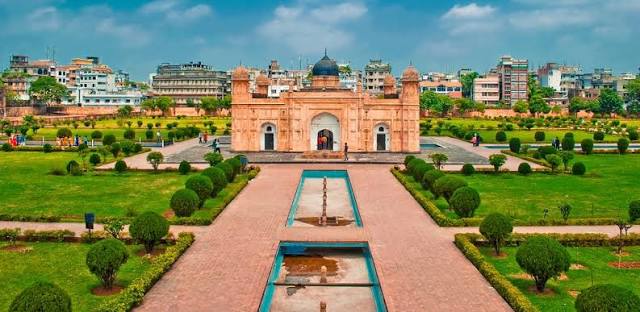
As one of the fastest-growing urban centers globally, Dhaka accommodates approximately 23 million residents within a relatively compact footprint. Located in the heart of a lush delta region, the city pulses with an unmatched kinetic energy. Colorful rickshaws fill the bustling streets, painting a vivid picture of daily life.
Textile manufacturing and diverse cottage industries drive the local economy, providing livelihoods for millions of migrants arriving from rural areas. This influx poses unique challenges regarding urban planning and resource management. Nevertheless, the resilience and warmth of its inhabitants define the true spirit of this South Asian powerhouse.
5. Sao Paulo, Brazil: The Cultural Heart of South America
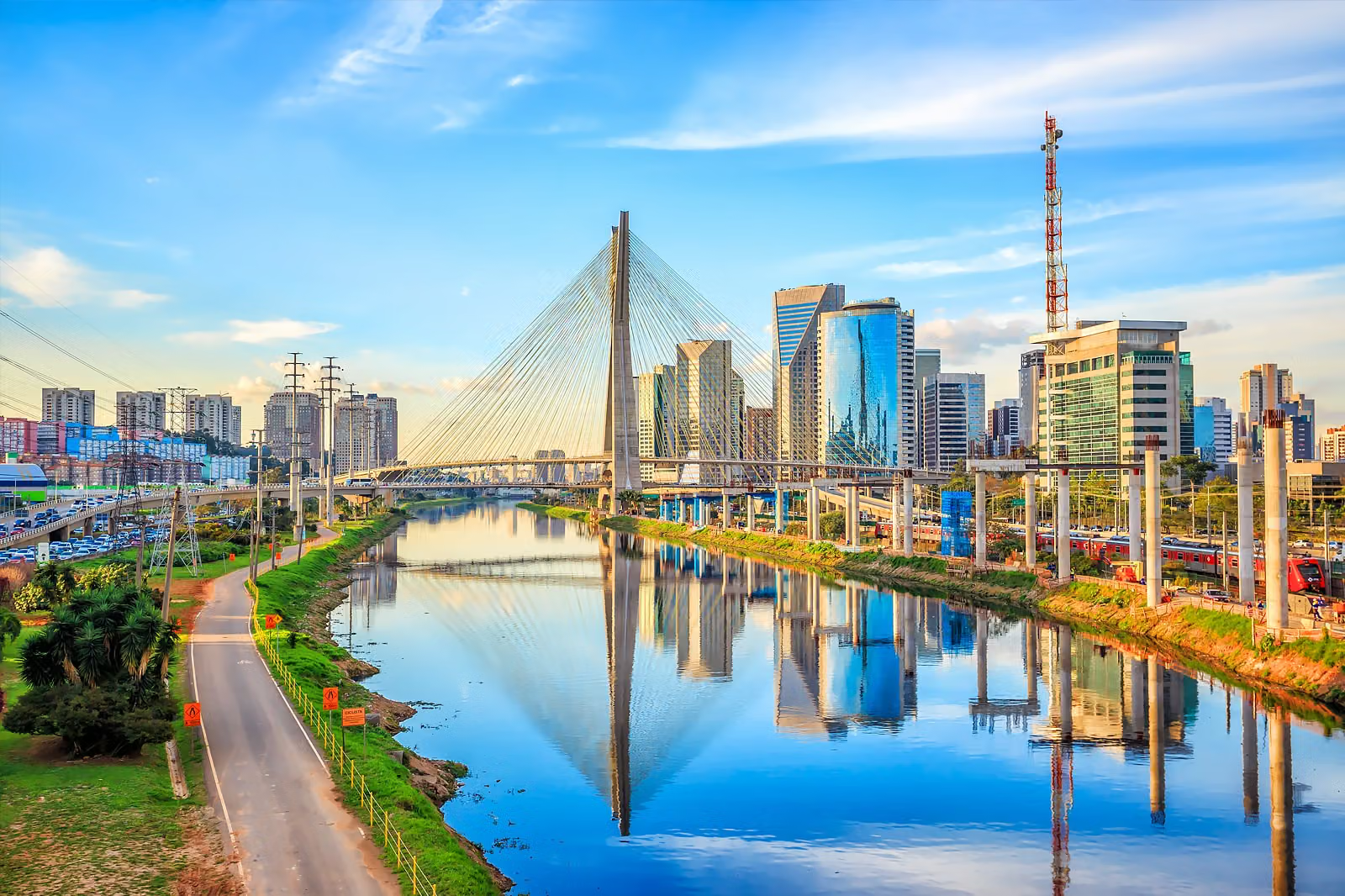
Crossing the Atlantic brings us to Sao Paulo, the undisputed financial capital of Brazil and the Southern Hemisphere. Housing roughly 22.6 million people, the city boasts a sprawling concrete jungle punctuated by pockets of lush parks. It is a true melting pot of diverse cultural influences, welcoming immigrants from every corner of the globe.
The culinary scene here is legendary, offering everything from traditional Brazilian churrasco to world-class international gastronomy. Financial institutions, art museums, and theater companies thrive within this vibrant urban ecosystem. Despite socioeconomic disparities, Sao Paulo vibrates with an undeniable creative force.
6. Cairo, Egypt: Ancient Wonders Meet Modern Demands
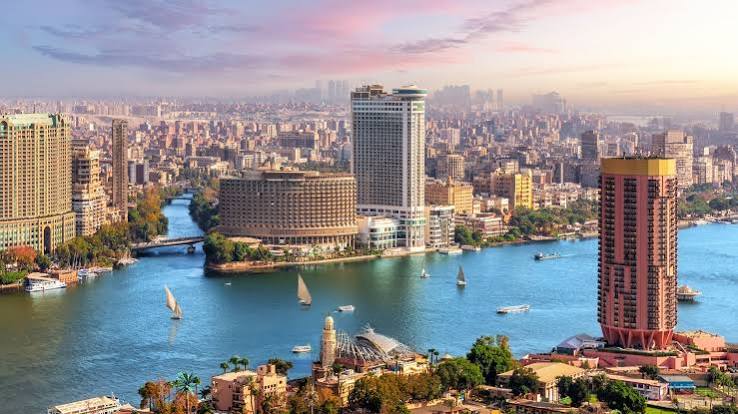
Cairo offers a breathtaking journey through time, where towering skyscrapers overlook the eternal Nile River while ancient pyramids loom on the distant horizon. With a population exceeding 22 million, Egypt’s capital acts as the cultural and political epicenter of the Arab world. The sheer density of human activity creates a sensory experience unlike any other.
Bustling bazaars like Khan el-Khalili operate much as they have for centuries, operating alongside contemporary digital startups. Government initiatives, such as the construction of the New Administrative Capital, aim to alleviate congestion within the historic core. Through it all, Cairo retains its timeless majesty and enduring charm.
7. Mexico City, Mexico: High-Altitude Urban Resiliency
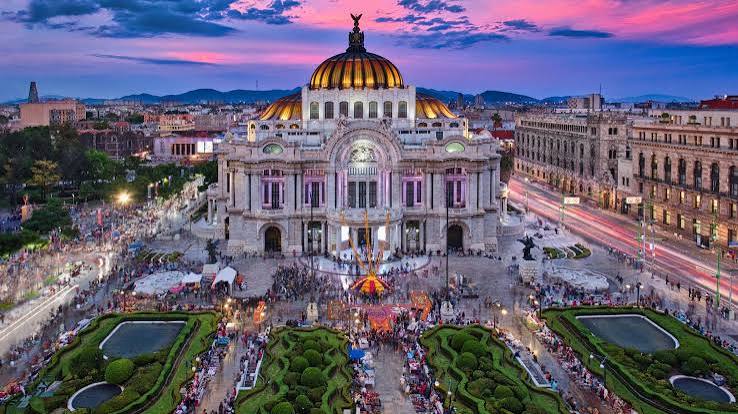
Nestled high in a valley surrounded by volcanic peaks, Mexico City is a sprawling metropolis of 22 million residents. Built on the foundations of the ancient Aztec capital Tenochtitlan, the city layers pre-Hispanic history with Spanish colonial architecture. Neighborhoods like Coyoacan and Roma offer bohemian artistic havens amid the urban expanse.
As a major cultural exporter, Mexico City heavily influences Latin American art, cuisine, and politics. Public parks, world-class museums, and sprawling culinary markets enrich the daily lives of millions. Navigating such a vast high-altitude environment requires immense logistical coordination, making the city a fascinating study in modern urban management.
8. Beijing, China: The Political and Cultural Bastion

Beijing holds immense historical and political significance as the capital of the People’s Republic of China. Home to 21.5 million people, the city juxtaposes vast imperial palaces like the Forbidden City with futuristic business districts. Wide boulevards and ancient hutongs create a distinct spatial layout that reflects imperial planning philosophies.
Educational institutions, scientific research facilities, and cultural landmarks make Beijing a global intellectual hub. The ongoing integration of green spaces and smart city technologies transforms how residents experience daily life. It stands firmly as a guardian of heritage while steering the nation toward tomorrow.
9. Mumbai, India: The City of Dreams and Cinema

Formerly known as Bombay, Mumbai is India’s financial powerhouse and the glamorous home of the Bollywood film industry. Accommodating 21.2 million citizens along the coast of the Arabian Sea, the city never sleeps. Colonial-era British architecture blends seamlessly with bustling modern financial centers and coastal promenades.
Economic opportunity draws thousands of hopeful newcomers daily, fueling a dynamic labor market and vibrant street culture. Infrastructure projects, such as coastal road expansions and commuter rail upgrades, continually adapt to the relentless population pressure. Mumbai remains an enduring symbol of ambition and resilience.
10. Osaka, Japan: The Culinary Capital of the Kansai Region
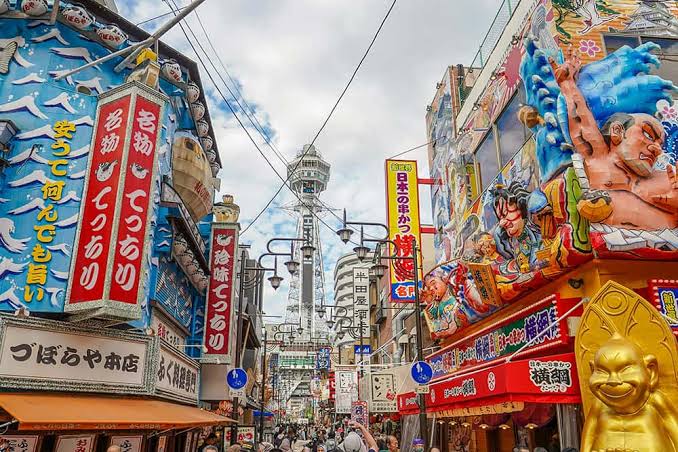
Rounding out our list is Osaka, a dynamic Japanese metropolis housing 19 million people in the broader Kansai region. Known historically as the nation’s kitchen, Osaka prides itself on a relaxed, friendly atmosphere and legendary street food culture. Neon lights in the Dotonbori district reflect brilliantly upon bustling waterways.
While sharing advanced technological infrastructure with Tokyo, Osaka maintains a distinct cultural identity characterized by humor and warmth. Major commercial enterprises and manufacturing giants fuel a robust economy within this densely populated urban zone. It provides a fittingly vibrant finale to our exploration of the world’s most massive cities.
Delving into these colossal urban environments highlights the remarkable ingenuity required to sustain modern human societies. As populations continue to shift and grow, these metropolitan centers will undoubtedly pioneer new pathways in sustainability, technology, and community building. Staying informed about global demographic trends empowers you to better understand the interconnected world we all share, inspiring curiosity for future urban innovations.
Interesting use of English but useful data nevertheless .
That’s gonna change soon 😉
Some populations and GDPs, among other metrics, are severely underreported.
Good Infor and maybe change soon, in the world happing during COVID-19
I agree infor is high quality.
We are growing too fast ?.